Signs You Might Need a Professional Sleep Study

Introduction

Sleep is essential for physical health, mental clarity, and emotional wellbeing. Yet, many people struggle with persistent fatigue, snoring, or unexplained daytime sleepiness. A professional sleep study, also known as a sleep test, can help identify underlying sleep disorders that may be affecting your health. Understanding the signs that indicate a sleep study is needed can help you take proactive steps toward better rest and overall wellbeing.


What is a Sleep Test?

A sleep test monitors your body’s activity while you sleep to detect potential disorders. It provides detailed information about:

  • Brain activity (EEG) for sleep stages
  • Eye movements to identify REM sleep
  • Heart rate and rhythm
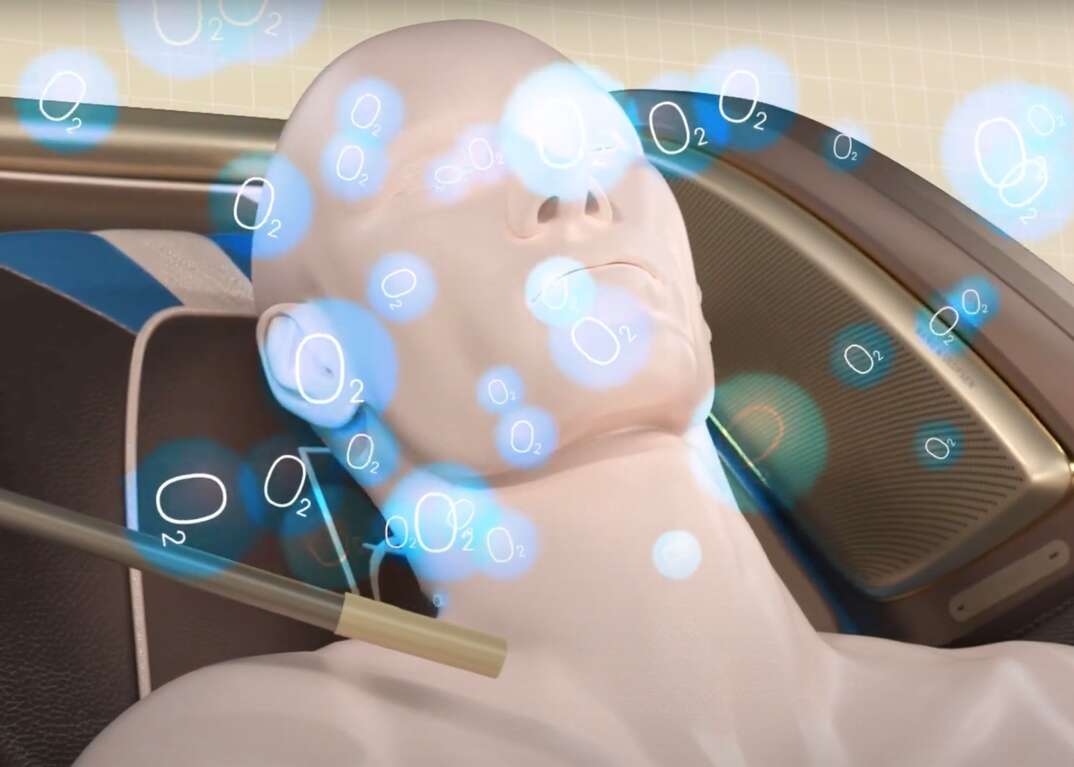
  • Breathing patterns and oxygen levels
  • Muscle activity and limb movements

These metrics help diagnose conditions such as obstructive sleep apnoea, insomnia, restless leg syndrome, and narcolepsy, allowing for accurate treatment plans.


Signs You May Need a Sleep Study

Certain symptoms can indicate that a sleep test may be beneficial:

1. Persistent Daytime Sleepiness

  • Feeling excessively tired despite adequate hours of sleep
  • Struggling to stay awake during work, school, or driving
  • Regularly relying on caffeine or naps to stay alert

2. Loud or Frequent Snoring

  • Snoring that disrupts your own or your partner’s sleep
  • Pauses in breathing during sleep, choking, or gasping

3. Difficulty Falling or Staying Asleep

  • Trouble initiating sleep or waking up frequently
  • Feeling unrested despite a full night’s sleep

4. Unusual Movements or Sensations

  • Twitching, jerking, or restless leg movements
  • Nighttime teeth grinding or other repetitive behaviours

5. Morning Headaches or Poor Concentration

  • Waking with headaches, dry mouth, or sore throat
  • Difficulty focusing, memory problems, or irritability

If you notice one or more of these signs consistently, a sleep study may be necessary to determine the cause.


Preparing for Your First Sleep Study

Proper preparation can make your first study more comfortable and effective:

  • Maintain a consistent sleep schedule in the days leading up to the study
  • Avoid caffeine, alcohol, or sedatives on the day of the test
  • Wear comfortable, loose-fitting pyjamas
  • Bring personal comfort items, such as a pillow or blanket
  • Follow any specific instructions from your sleep clinic, including medication guidance

In-Lab vs Home Sleep Studies

In-Lab Polysomnography (PSG)

  • Conducted overnight in a clinic with specialised equipment
  • Monitors brain, heart, breathing, oxygen, and limb movements
  • Supervised by trained sleep technicians
  • Recommended for complex or unclear sleep disorders

Home Sleep Tests

  • Conducted in the comfort of your own bed
  • Focuses on breathing, heart rate, and oxygen levels
  • Simple setup and remote guidance from a sleep specialist
  • Suitable for suspected sleep apnoea or routine monitoring

What to Expect During the Night

  • Sensors and electrodes attached to the head, chest, and limbs
  • Breathing and oxygen monitoring through a nasal cannula and fingertip sensor
  • Minimal intrusion: modern equipment is lightweight and comfortable
  • Observation and reassurance: technicians may monitor you remotely in home tests or stay nearby in-lab

The goal is to capture natural sleep patterns while ensuring safety and comfort.


How Sleep Test Results Are Used

Sleep Tests

Key metrics help specialists determine appropriate interventions:

  • Apnoea-Hypopnoea Index (AHI): Measures breathing interruptions per hour
  • Oxygen desaturation levels: Identifies drops in blood oxygen
  • Sleep stage distribution: Balances of REM and NREM sleep
  • Heart rate and rhythm: Detects cardiovascular risks
  • Limb movements: Indicates conditions like restless leg syndrome

Using these results, doctors can recommend targeted treatments such as CPAP therapy, lifestyle adjustments, medications, or behavioural interventions.


Benefits and Potential Discomforts

Benefits

  • Identifies sleep disorders accurately
  • Improves sleep quality and daytime energy
  • Reduces health risks associated with poor sleep
  • Provides guidance for long-term sleep health

Potential Discomforts

  • Mild skin irritation from electrodes
  • Nasal or facial discomfort from sensors
  • Initial sleep disruption due to unfamiliar equipment

Modern sleep tests are far more comfortable and less intrusive than older methods, making the experience manageable for most patients.


Patient Experiences

  • “I was sceptical, but the sleep study explained why I was always exhausted. CPAP therapy has made a huge difference.”
  • “The home study was easy to set up, and the results guided my doctor in treating my sleep apnoea effectively.”
  • “Understanding my sleep patterns gave me peace of mind and helped me prioritise better sleep habits.”

These experiences highlight the importance of recognising symptoms and taking proactive steps.


Conclusion

If you experience persistent fatigue, snoring, sleep disturbances, or unusual movements at night, a professional sleep study may be the key to uncovering underlying sleep disorders. With proper preparation and guidance from specialists, sleep tests can provide crucial insights, allowing for personalised treatment plans that improve sleep quality, daytime energy, and overall health.

FAQs

1. How do I know if I need a sleep study?
If you experience persistent fatigue, loud snoring, breathing pauses, restless sleep, or difficulty concentrating, a sleep study may be needed. Specialists use these symptoms to decide the type of study and ensure accurate diagnosis.

2. Are home sleep tests as reliable as in-lab studies?
Yes, for most patients with suspected sleep apnoea, home tests are accurate and convenient. In-lab studies provide more detailed data and are preferred for complex or unclear cases.

3. What should I do to prepare for a sleep study?
Maintain a regular sleep schedule, avoid caffeine or alcohol, wear comfortable clothing, and bring personal comfort items. Follow any specific instructions from your sleep clinic regarding medications or bedtime routines.

4. What discomforts might I experience during a sleep study?
Minor skin irritation from electrodes, nasal or facial discomfort from sensors, and slight sleep disruption may occur. Modern equipment is lightweight and designed for patient comfort.

5. How do sleep test results improve health?
Results identify sleep disorders, guide personalised treatments like CPAP therapy or lifestyle changes, improve sleep quality, reduce daytime fatigue, and lower long-term health risks associated with poor sleep.
Home Sleep Study Perth: Comfortable Testing from the Comfort of Home

Sleep is an essential component of our overall health and well-being, yet many individuals struggle with sleep disorders that can significantly impact their quality of life. In Perth, home sleep studies have emerged as a convenient and effective solution for diagnosing sleep-related issues without the need for overnight stays in a clinic. This article delves into the intricacies of home sleep studies, exploring their benefits, procedures, and the various conditions they help diagnose.

Understanding Home Sleep Studies

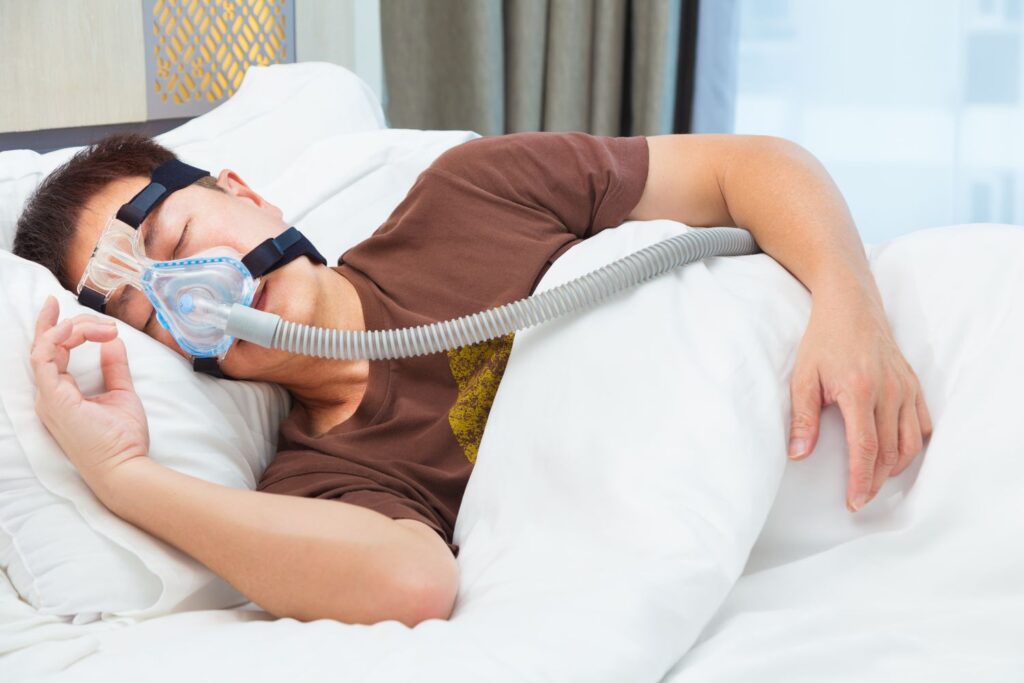
Home sleep studies, also known as portable sleep monitoring, are designed to assess sleep patterns and diagnose sleep disorders in the comfort of one’s home. Unlike traditional sleep studies conducted in a sleep lab, home sleep studies utilise portable equipment that can be easily set up and monitored by the patient themselves. This method not only provides convenience but also allows for a more natural sleep environment, which can lead to more accurate results.

Home sleep study Perth offer a convenient and effective means of diagnosing sleep disorders from the comfort of one’s home. With the ability to monitor critical sleep metrics, these studies provide valuable insights into an individual’s sleep patterns and help healthcare providers develop tailored treatment plans. As awareness of sleep health continues to grow, home sleep studies are becoming an increasingly popular choice for those seeking to improve their sleep quality and overall well-being.

Home Sleep Study Perth

How Home Sleep Studies Work

The process of a home sleep study typically begins with a consultation with a healthcare provider who will evaluate the patient’s symptoms and medical history. If a sleep disorder is suspected, the provider will recommend a home sleep study. The patient will then receive a portable monitoring device, which usually includes sensors to measure various physiological parameters during sleep.

Once the device is set up, it will monitor key metrics such as:

  • Respiratory effort: This measures the effort required to breathe during sleep.
  • Oxygen saturation: This tracks the levels of oxygen in the blood, which can indicate respiratory issues.
  • Heart rate: Monitoring heart rate can help identify cardiovascular problems related to sleep.
  • Snoring patterns: This can provide insights into potential obstructions in the airway.

After a night of sleep, the data collected is sent back to the healthcare provider for analysis, leading to a diagnosis and treatment plan if necessary.

Read more at: Sleep Apnea Test Perth Early Detection for Better Sleep Health

Benefits of Home Sleep Studies

One of the primary advantages of home sleep studies is the comfort they provide. Patients can sleep in their own beds, which often leads to more natural sleep patterns and reduces anxiety associated with unfamiliar environments. Additionally, home sleep studies are typically more cost-effective than traditional lab studies, making them accessible to a wider range of individuals.

Moreover, home sleep studies can be conducted at the patient’s convenience, allowing for flexibility in scheduling. This is particularly beneficial for those with busy lifestyles or those who may have difficulty taking time off work for a lab-based study.

Conditions Diagnosed by Home Sleep Studies

Home sleep studies are primarily used to diagnose obstructive sleep apnoea (OSA), a condition characterised by repeated interruptions in breathing during sleep. However, they can also help identify other sleep disorders, including:

  • Central sleep apnoea: A less common form of sleep apnoea that occurs when the brain fails to send signals to the muscles that control breathing.
  • Hypoventilation syndromes: Conditions where breathing is inadequate, leading to increased carbon dioxide levels and decreased oxygen levels in the blood.
  • Periodic limb movement disorder: A condition characterised by involuntary leg movements during sleep, which can disrupt sleep quality.

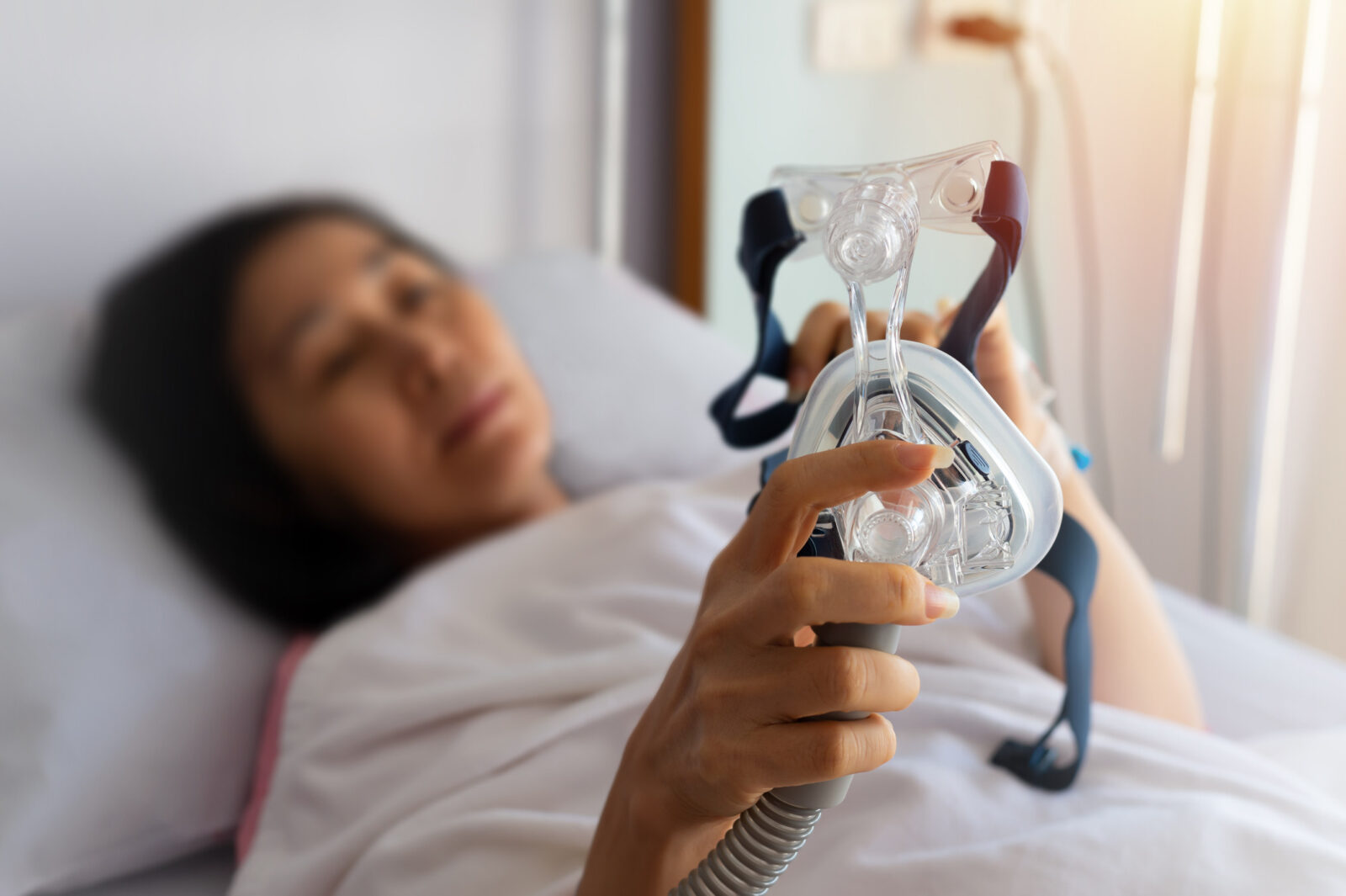
By accurately diagnosing these conditions, healthcare providers can develop tailored treatment plans that may include lifestyle changes, the use of continuous positive airway pressure (CPAP) machines, or other interventions. Read more about accurately on https://medicaleducators.org/

Preparing for a Home Sleep Study

Preparation for a home sleep study is relatively straightforward, but there are several important steps to ensure accurate results. Patients are typically advised to avoid caffeine and alcohol on the day of the study, as these substances can interfere with sleep quality. Additionally, it is essential to maintain a regular sleep schedule leading up to the study to help ensure that the sleep patterns observed are representative of the patient’s typical behaviour.

On the night of the study, patients should follow the instructions provided by their healthcare provider regarding the setup of the monitoring device. This may involve placing sensors on the chest, finger, and around the nose to monitor breathing and heart rate. It is also advisable to create a sleep environment that is conducive to rest, such as keeping the room dark and at a comfortable temperature.

Interpreting the Results

Once the data from the home sleep study has been collected, it will be analysed by a qualified sleep specialist. The results will indicate whether the patient has a sleep disorder and, if so, the severity of the condition. For instance, in the case of obstructive sleep apnoea, the number of apnoeas (pauses in breathing) per hour of sleep will be assessed to determine the severity of the disorder.

Following the interpretation of results, the healthcare provider will discuss the findings with the patient and recommend appropriate treatment options. These may include lifestyle modifications, such as weight loss or positional therapy, as well as medical interventions like CPAP therapy or oral appliances designed to keep the airway open during sleep.

Follow-Up Care and Management

After a home sleep study and subsequent diagnosis, ongoing follow-up care is crucial for effective management of sleep disorders. Patients may require regular check-ins with their healthcare provider to monitor their progress and make any necessary adjustments to their treatment plan. This may involve periodic re-evaluations through additional sleep studies to assess the effectiveness of the chosen interventions.

Moreover, patients are encouraged to adopt healthy sleep hygiene practices, which can significantly enhance the quality of their sleep. These practices include maintaining a consistent sleep schedule, creating a relaxing bedtime routine, and minimising exposure to screens before bed. Click here to find more about hygiene.

Conclusion

Section Image

For anyone experiencing symptoms of sleep disorders, such as excessive daytime sleepiness, loud snoring, or difficulty concentrating, seeking a consultation with a healthcare provider is a crucial first step. With the right diagnosis and treatment, individuals can reclaim their sleep and enhance their quality of life.